Understanding Coolant Distribution Units in Modern Data Centers 

Modern data centers are handling greater computing demands than ever. As server workloads increase, effective thermal management becomes essential. Traditional air cooling can face limitations in high-density environments. More advanced liquid cooling solutions are therefore being adopted for improved heat management.

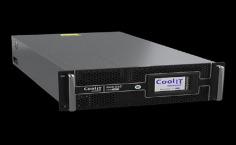
A well-designed coolant distribution unit helps manage liquid cooling in data centers. It regulates coolant flow and supports consistent thermal performance. The system can be integrated with high-density computing infrastructure. This makes it useful for demanding applications with significant heat generation.

The role of a CDU data center system has grown as computing densities rise. In many applications, liquid transfers heat more efficiently than air. Cooling capacity can also be managed more precisely. These advantages can support reliable operation across demanding workloads.

A reliable in-rack CDU can provide cooling directly at the rack level. This approach can help reduce the distance that coolant must travel. It can also support more targeted thermal management. Such designs are particularly relevant for environments containing high-performance servers and accelerated computing hardware.

Modern cooling infrastructure must also support scalability and operational efficiency. Systems can be designed to accommodate changing rack densities. Operators can incorporate monitoring and control capabilities for better visibility. These features can help data center operators maintain stable conditions as computing requirements evolve.

Liquid cooling can support higher-density deployments while managing heat effectively. This makes advanced cooling architecture an important consideration for future-ready facilities. CoolIT Systems has developed liquid cooling technologies for demanding data center applications. 

For organizations planning higher-performance data center environments, understanding liquid cooling infrastructure can support better technology decisions. With the right cooling approach, operators can manage high-density infrastructure more effectively while supporting long-term data center performance.

Turn Rising Compute Demands Into a Cooling Advantage. Use the map to explore next-generation thermal solutions engineered for AI-driven data centers.

Understanding Coolant Distribution Units in Modern Data Centers

Modern data centers are handling greater computing demands than ever. As server workloads increase, effective thermal management becomes essential. Traditional air cooling can face limitations in high-density environments. More advanced liquid cooling solutions are therefore being adopted for improved heat management.

A well-designed coolant distribution unit helps manage liquid cooling in data centers. It regulates coolant flow and supports consistent thermal performance. The system can be integrated with high-density computing infrastructure. This makes it useful for demanding applications with significant heat generation.

The role of a CDU data center system has grown as computing densities rise. In many applications, liquid transfers heat more efficiently than air. Cooling capacity can also be managed more precisely. These advantages can support reliable operation across demanding workloads.

A reliable in-rack CDU can provide cooling directly at the rack level. This approach can help reduce the distance that coolant must travel. It can also support more targeted thermal management. Such designs are particularly relevant for environments containing high-performance servers and accelerated computing hardware.

Modern cooling infrastructure must also support scalability and operational efficiency. Systems can be designed to accommodate changing rack densities. Operators can incorporate monitoring and control capabilities for better visibility. These features can help data center operators maintain stable conditions as computing requirements evolve.

Liquid cooling can support higher-density deployments while managing heat effectively. This makes advanced cooling architecture an important consideration for future-ready facilities. CoolIT Systems has developed liquid cooling technologies for demanding data center applications.

For organizations planning higher-performance data center environments, understanding liquid cooling infrastructure can support better technology decisions. With the right cooling approach, operators can manage high-density infrastructure more effectively while supporting long-term data center performance.

Turn Rising Compute Demands Into a Cooling Advantage. Use the map to explore next-generation thermal solutions engineered for AI-driven data centers.

Scroll to Top